

Propane Tanks vs. Propane Gas System Service Areas
About Propane
Also known as liquefied petroleum (LP) or liquefied petroleum gas (LPG), propane is a clean-burning alternative fuel widely used in residential, commercial, agricultural, and automotive applications. Propane is transported and stored as a very cold liquid in tanks or cylinders and is turned into combustible gas when mixed with oxygen (in the air). In its natural form, it is odorless and colorless; manufacturers add a distinctive smell to make leaks or spills easier to detect.
When “Gas” Isn’t “Gas”
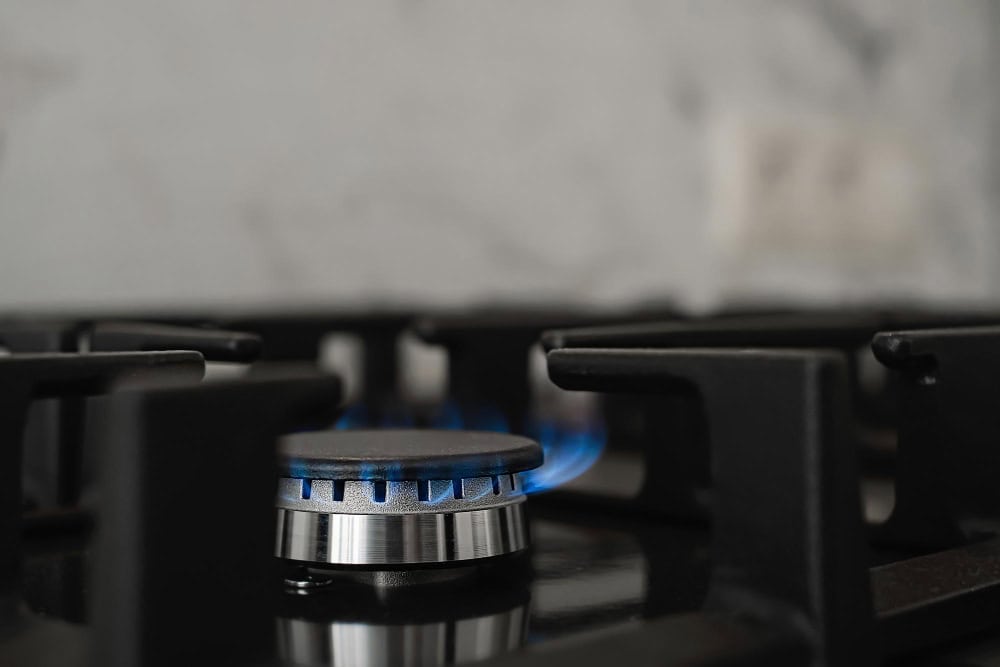
Moving your gas stove from a natural gas-served property to a propane-served property isn’t as easy as reconnecting the gas line in the back. When an appliance is noted as “gas” or “gas-fired”, that means natural gas. Natural gas and propane are not interchangeable for appliances or systems because they have different pressures, densities, and energy content. Propane is delivered into appliances at a much higher pressure than natural gas and can cause dangerous leaks when directly connected to a gas appliance (think “explosion”). Some natural gas appliances can be converted to propane use with a conversion kit; a qualified technician must be used to ensure the conversion is done safely. If purchasing a new natural gas stove, many now come with model-specific conversion kits included or readily available. Some appliances may even be manufactured as dual-fuel or conversion ready. Always consult a professional and the manufacturer regarding convertibility and cost; sometimes the conversion cost exceeds the cost of purchasing a propane-ready appliance.
Individual, Captive Propane
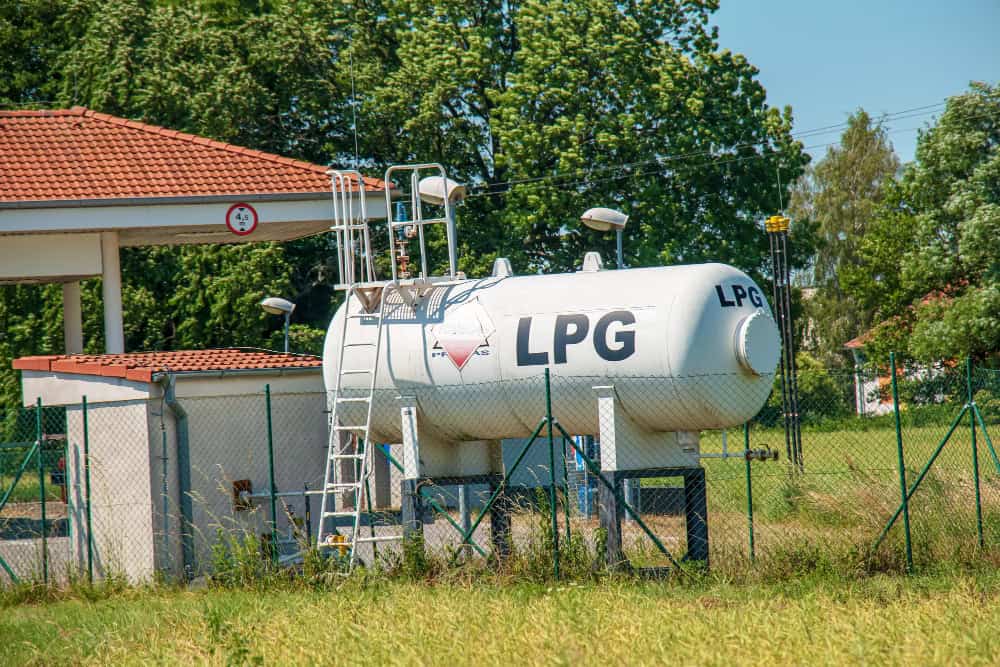
Properties which are not served by natural gas lines from a utility provider may make use of propane tanks for heating (HVAC), water heaters, pool heating, fireplaces, and cooking. This is known as captive propane or captive LP.
-
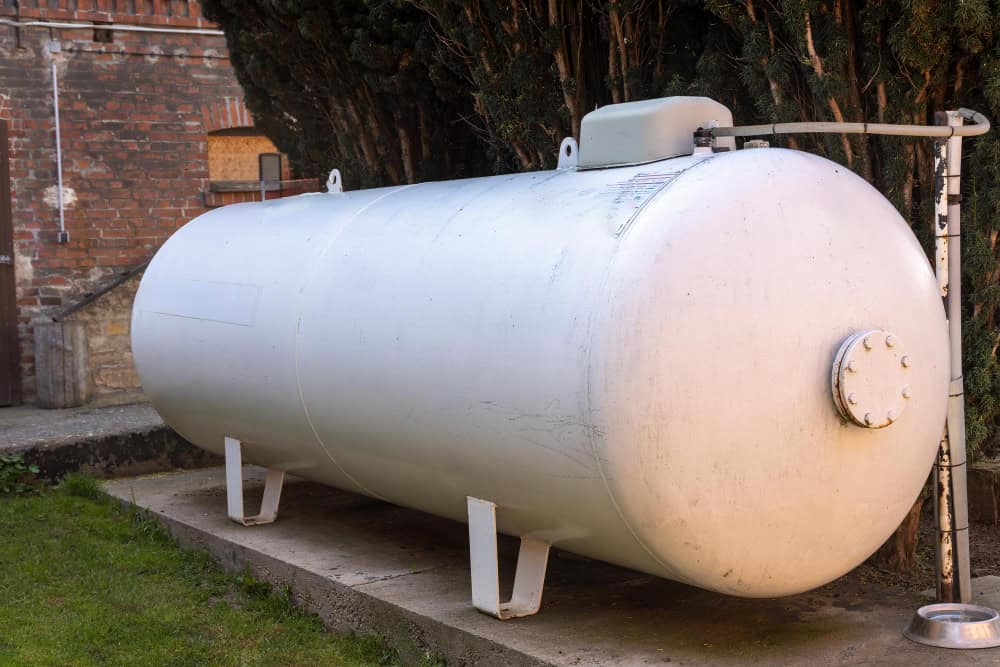
A large propane tank in the yard, which could be above or below ground, based on aesthetics and local rules.
-
Propane is delivered in a tanker truck by a propane provider and tanks are typically only filled to 80% capacity or other applicable safety guidelines
-
If the property owner owns the tank, they choose any local company to provide propane
-
Captive LP is disclosed on the Seller’s Disclosure Notice but there are no other disclosures or addenda, unless the tank is leased
-
If the propane tank is leased, use the TREC Addendum Regarding Fixture Leases. Many providers will lease the tank for a relatively small annual amount (a few hundred dollars, for example), in conjunction with the supply/service contract for the propane itself.
The size of the tank will vary based on the property’s needs and climate. 120, 250, or 330 gallon tanks may be sufficient for smaller homes or homes with only 1 or 2 propane-fired appliances, potentially without central heating utilizing propane. 500 gallons is the most common tank size for residential properties of average size with multiple gas appliances and central heating. A 1000 gallon tank may be necessary for very large homes with extensive propane needs, such as multiple gas-fired appliances or equipment, multiple furnaces, and a backup electricity generator. For commercial or industrial applications, tanks are typically 1000 gallons and larger.
Tips for Buying or Selling Homes with Propane Tanks
-
Clarify who owns the tank (homeowner, leased from propane provider, HOA, shared with neighbor, etc.)
-
Clarify where the tank is located, if buried. This may be shown on the property Survey. (more about Surveys here)
-
If the tank is leased, use TREC form 52, Addendum Regarding Fixture Leases, if the lease is in place as of the contract’s Effective Date, even if it will be terminated before closing.
-
For leased tanks, examine the lease for terms such as duration, cost, transfer fees, minimum usage requirements, termination or auto-renewal provisions, who is responsible for maintenance.
-
If the tank is owned, confirm if there a current agreement with a propane delivery company to fill and service the tank, and if you are able to switch providers if you desire.
-
How much propane is estimated to remain in the tank, when was the last fill, etc.
-
Obtain and transfer any contracts, agreements, or maintenance information/receipts
-
Confirm if your current gas appliances are propane-compatible and the cost to modify them along with recommended local contractors to perform the work
-
Research the cost and availability of new propane-ready appliances
-
DO NOT use TREC form 47, Addendum for Property in a Propane Gas System Service Area
-
Note that the TREC contracts and addenda do not contemplate a fuel reimbursement agreement between the parties; if this is important to you, it must be written by the parties or their attorney(s). Real Estate license holders cannot provide guidance or language for this.
Propane Gas System Service Areas
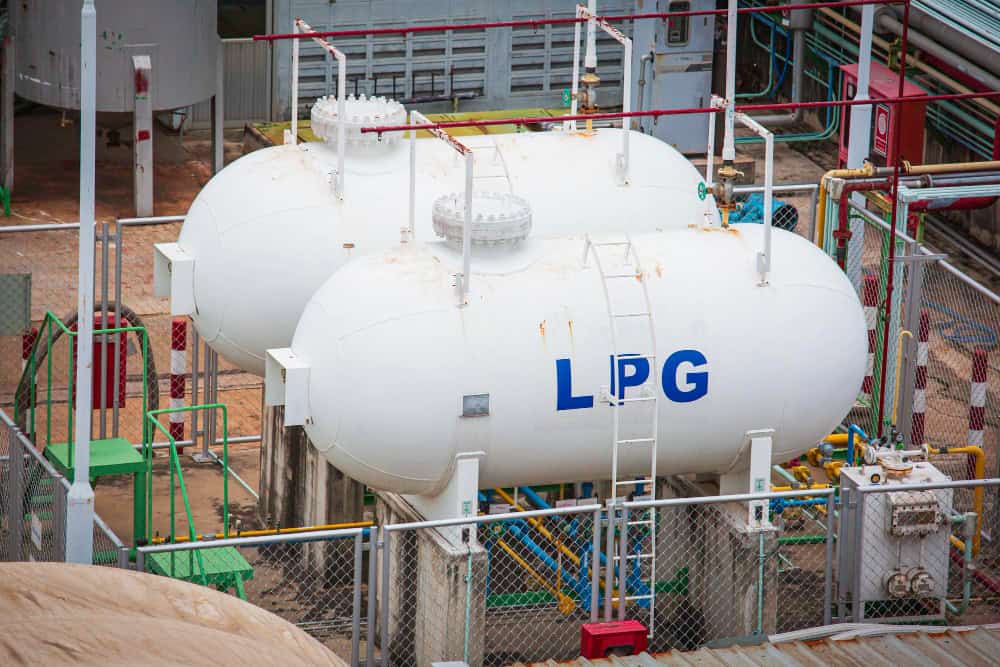
A newer method of bringing propane to multiple properties in a neighborhood or local area is via a central propane gas distribution system, operated by a distribution system retailer which functions like a regulated utility company under Texas law. These propane gas distribution systems are operated under Chapter 141 of the Texas Utilities Code to serve multiple properties from a central tank or network of tanks via buried distribution lines located in easements or rights-of-way.
Section 141.001(8) of the Texas Utilities Code specifies that “a propane gas system means one or more propane storage containers, equipment and facilities connected to a contiguous piping system through which propane gas is supplied by a distribution system retailer to at least 10 customers.”
In a system service area, the distribution system retailer controls the system:
-
The neighborhood or subdivision is tied to that single, specific provider
-
There may be connection fees, line extension costs, tap fees, or minimum charges before service is available
-
There may be a delay while lines or facilities are extended to service individual parcels
Because special costs, charges, or construction time may be involved before an owner can receive propane service at a property, Texas law requires certain filings and disclosures, which we’ll discuss more later in the blog.
In Texas, the production and distribution of oil and gas are largely regulated by the Texas Railroad Commission (RRC), and distribution system retailers must have a Category E or Category K license issued by the RRC. Note that the RRC does not have regulatory authority over other types of propane services, including captive propane (tanks).
Where are Propane Gas System Service Areas Located?
As of this writing in late November 2025, there are a total of 76 systems/neighborhoods, primarily in the Hill Country, and only 2 of which are located in Paragon’s North Texas coverage area:
-
Tarrant County (Fort Worth Region / 1 system at Eagle Mountain Lake Resort)
-
Palo Pinto County (Possum Kingdom Lake / 1 system at Hill Country Harbor)
-
Travis County (Austin Region / 58 systems)
-
Williamson County (Round Rock Region / 8 systems)
-
Hays County (San Marcos Region / 2 systems)
-
Bastrop County (Austin-Round Rock MSA / 1 system)
-
Bexar County (San Antonio Region / 1 system)
-
Brazos County (Bryan-College Station Region / 1 system)
-
Comal County (New Braunfels Region / 1 system)
-
Galveston County (Southeast of Houston / 1 system)
-
Kendall County (Boerne Region / 1 system)
Disclosures for Propane Gas System Service Areas
Retailers: The Utilities Code requires the propane gas distribution system retailer to record a notice with the County Clerk in the real property records for every county in their service area along with a map of the service area. A copy of this notice must be given to prospective purchasers of property in the service area along with another statutory notice described immediately below.
Property Sellers: The Seller of a property located in a propane gas system service area must give the Buyer a written notice prescribed by Section 141.010 of the Texas Utilities Code at or prior to the signing of the contract:
“The real property, described below, that you are about to purchase may be located in a propane gas system service area, which is authorized by law to provide propane gas service to the properties in the area pursuant to Chapter 141, Utilities Code. If your property is located in a propane gas system service area, there may be special costs or charges that you will be required to pay before you can receive propane gas service. There may be a period required to construct lines or other facilities necessary to provide propane gas service to your property. You are advised to determine if the property is in a propane gas system service area and contact the distribution system retailer to determine the cost that you will be required to pay and the period, if any, that is required to provide propane gas service to your property. The undersigned purchaser hereby acknowledges receipt of the foregoing notice at or before the execution of a binding contract for the purchase of the real property described in the notice or at closing of purchase of the real property.”
The Texas Real Estate Commission has promulgated form #47, Addendum for Property in a Propane Gas System Service Area, which contains the statutorily required language. The Seller must obtain and attach the recorded notice from the county's real property records. Remember, do not use this form for captive propane/propane tank on the property.
Tips for Buyers and Sellers in a Propane Gas System Service Area
-
Ensure that TREC form 47, Addendum for Property in a Propane Gas System Service Area, is given to the Buyer prior to going under contract. Buyers need to read the form.
-
Contact the distribution system retailer during your Option Period to discuss connection or tap fees, minimum monthly charges, pricing structures, how long it will take to establish or transfer service after closing.
-
Confirm if your current gas appliances are propane-compatible and the cost to modify them along with recommended local contractors to perform the work
-
Research the cost and availability of new propane-ready appliances
-----
Bart Stockton is Associate Broker (TX & OK) and Chief of Operations for Paragon. An educator at heart, Bart writes and instructs continuing education courses focusing primarily on the topics of contracts, law, ethics, and risk reduction. He has been using em dashes since well before the robots were taught how to write. Nothing in this post shall constitute legal advice; consult a skilled real estate attorney. ©2025 Bart Stockton Real Estate Education. All rights reserved. Used by permission.