

What do Builders, Remodelers, and Real Estate Agents need to know about Insulation Disclosures?

Since 1980, the regulations of the Federal Trade Commission require home insulation manufacturers, professional installers, new home sellers, and retailers to provide R-Value information, based on the results of standard tests, to help inform consumers. This is commonly called “The R-Value Rule”. There are also federal requirements related to advertising energy savings related to insulation.
What’s an R-Value?
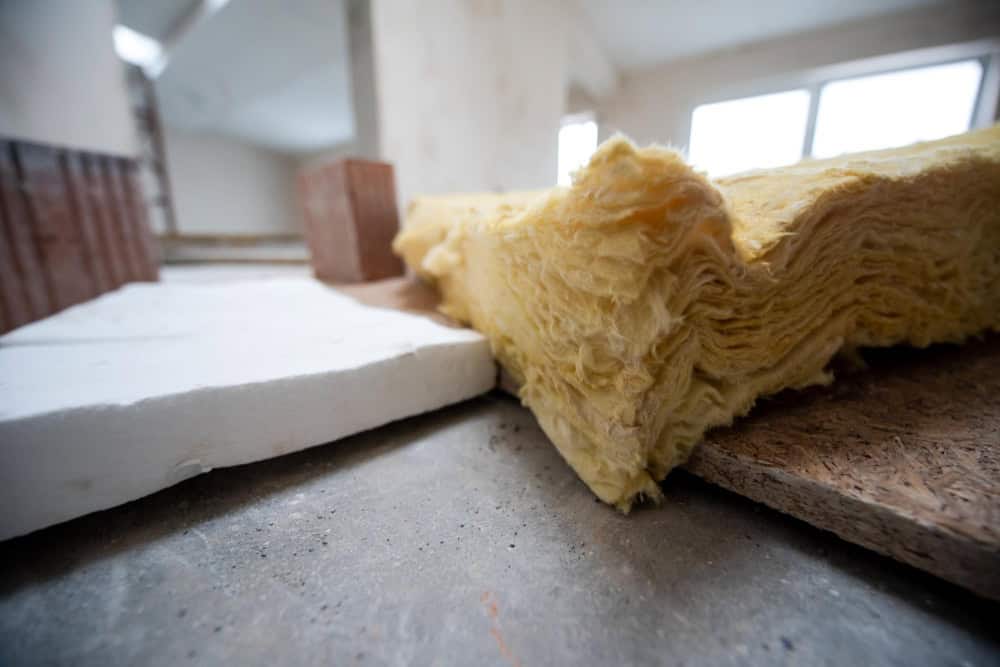
The R-Value is designed to convey information about a product’s resistance to heat transfer, which is the point of any insulation. R-Values are derived from standardized tests and help enable consumers to judge a product’s energy efficiency or ability to reduce energy costs. A higher R-Value equates to greater insulating effectiveness. R-Values must be based on standardized scientific testing procedures (16 CFR § 460.5).
Let’s take a step back and examine the regulatory framework within which the R-Value Rule exists.
Labeling and Advertising of Home Insulation
Part 460 of Title 16 of the Code of Federal Regulations (16 CFR 460) is called “Labeling and Advertising of Home Insulation” and falls under the Federal Trade Commission Act. The regulation deals with home insulation labels, fact sheets, ads, and other promo materials used in the broad definition of “commerce” as well as new home contracts.
Who is Covered by the Regulation?
-
Manufacturers
-
Distributors or franchisors
-
Installers
-
Retailers
-
Utility companies
-
Advertisers and advertising agencies
-
New home builders or sellers of new homes
When Does the Rule Apply?
Under § 460.4, the Rule applies whenever insulation is:
• Sold
• Installed
• Advertised
• Represented in connection with a residential structure
This includes:
• New construction
• Additions
• Renovations involving insulation upgrades
For the Seller of a New Home
16 CFR § 460.16 is called “What new home sellers must tell new home buyers”:
“If you are a new home seller, you must put the following information in every sales contract: The type, thickness, and R-value of the insulation that will be installed in each part of the house. There is an exception to this rule. If the buyer signs a sales contract before you know what type of insulation will be put in the house, or if there is a change in the contract, you can give the buyer a receipt stating this information as soon as you find out.”
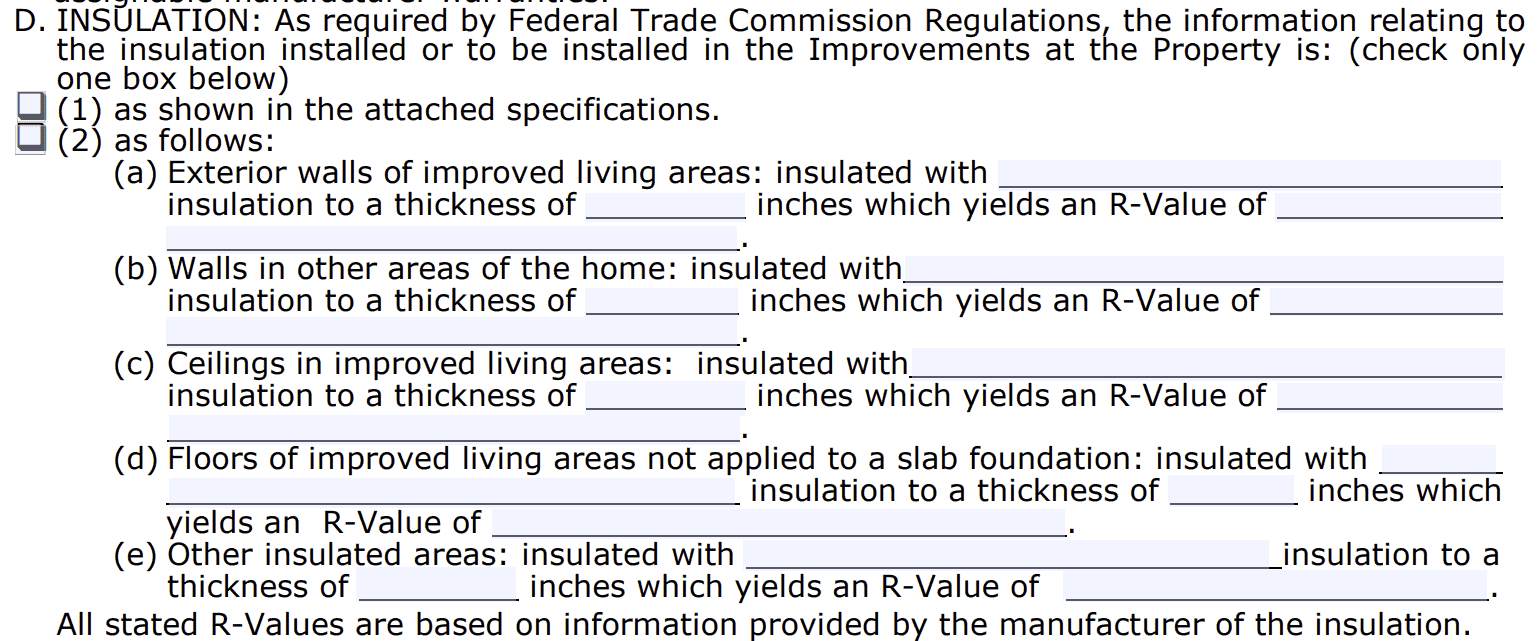
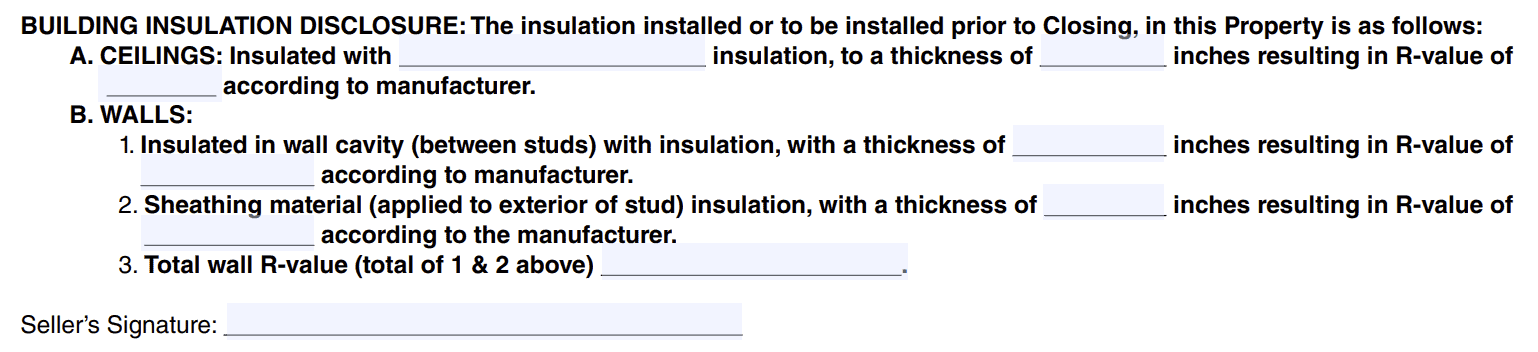
The good news is that the New Home contract forms promulgated by both the Texas Real Estate Commission (TREC), the Texas Association of Builders (TAB), and Oklahoma Real Estate Commission (OREC) have dedicated paragraphs to fill in for proper disclosure. Here are examples from the TREC New Home Contract (Completed Construction) and the OREC Oklahoma Uniform Contract of Sale of Real Estate – New Home Construction.
For Remodelers and Sellers of Remodeled Homes

Installers and sellers of remodeled homes must also be aware of federal requirements. Installers are addressed in 16 CFR § 460.17. They must provide the customer with a Fact Sheet detailing the product information, areas covered, and computed R-Value for that type and location of installation. This information must be accurate and supported by compliant testing done by the manufacturer.
Advertising and Marketing Considerations, Including Real Estate Agents
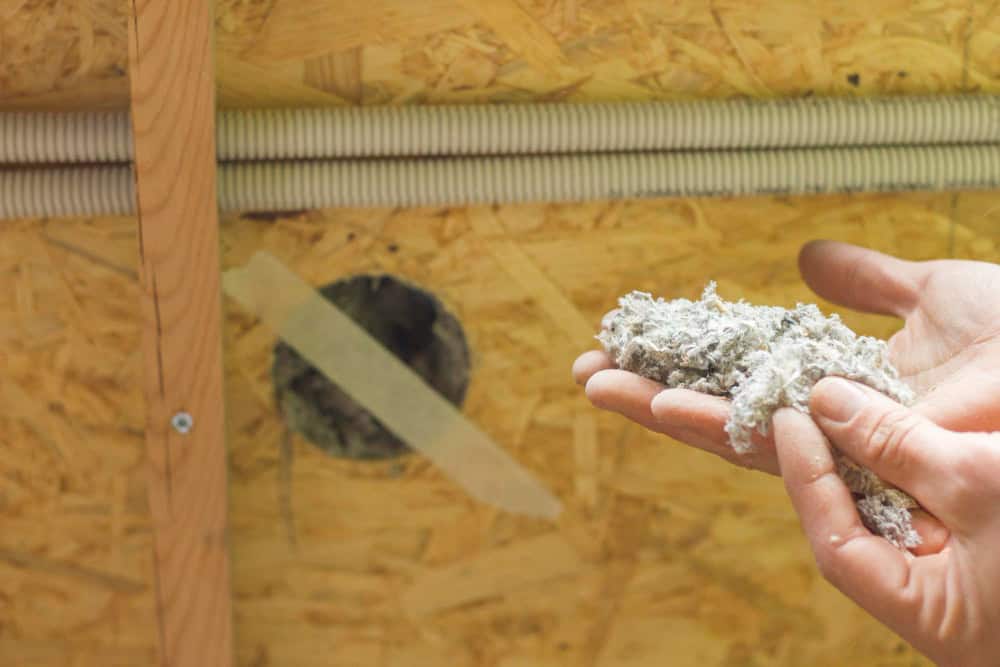
Anyone advertising insulation or claims regarding energy savings, R-Value per inch, or performance of insulation must understand and comply with the federal regulations in 16 CFR § 460.18 - 16 CFR § 460.20. If you are not the manufacturer of the insulation (e.g. a builder, home seller, or remodeler), you are permitted to rely on manufacturer’s FTC-compliant testing and performance data, unless you know (or should know) that it is inaccurate.
Common Violations of the FTC R-Value Rule by Agents, Builders, and Sellers
-
Missing or incomplete insulation disclosures in a new home contract or addendum to the contract
-
Marketing upgraded insulation without documentation
-
Generic or unverifiable “energy efficient” claims
-
Misleading energy savings representations
-
False or unsupported insulation performance claims
-
Examples: “high-efficiency insulation,” “Superior R-Values”
Penalties for Non-Compliance
Violations of the R-Value Rule are treated as violations of the FTC Act (15 U.S.C. § 45) as “unfair or deceptive practices in or affecting commerce”. This subjects violators to potentially severe penalties. The most severe penalties are applied when the person had actual or implied knowledge of the law (knew or should have known the law) and did not comply. Penalties can include:
-
Civil penalties (government fines) – as of this writing in April 2026, up to $53,088 per violation, potentially per day*
-
Injunctions (court order to comply)
-
Consumer redress (payments to consumers for harm caused by the violation)
-
Enforcement actions for deceptive practices
*The statutory baseline of up to $10,000 per violation contained in 15 U.S.C. § 45(l) and § 45(m)(1) are modified by 16 CFR § 1.98 (the Federal Civil Penalties Inflation Adjustment Act Improvements Act of 2015) which requires the FTC to update the penalty matrix and apply an annual inflation multiplier based on OMB figures.
Compliance Checklist
For Builders and New Home Sellers
-
For all insulated areas, disclose specs by
-
location (walls, ceilings, floors, roof)
-
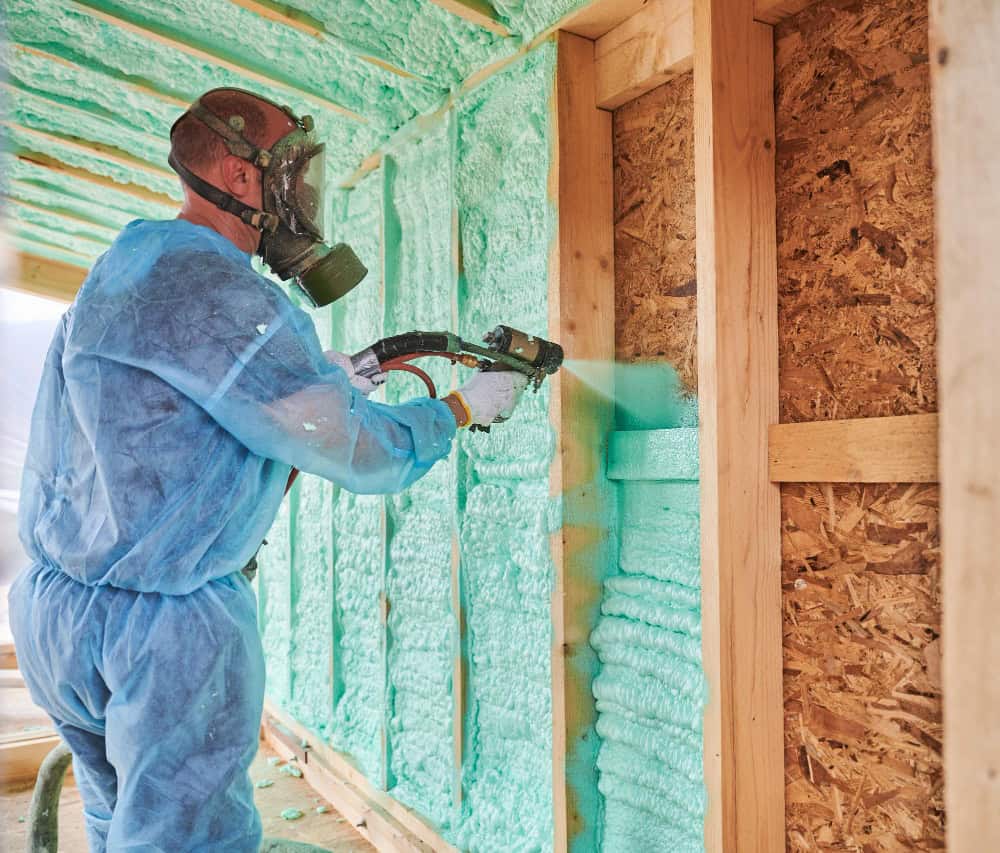
material (e.g. cellulose, fiberglass, closed cell foam, open cell foam)
-
type (e.g. batts, blown-in, spray-foam)
-
thickness in inches
-
manufacturer-computed R-Value based on the above factors.
-
-
Ensure all information matches manufacturer data
-
Include the insulation disclosures above within the contract (easy to complete in the TREC & OREC contracts) or an addendum to the contract
-
Retain all documentation from the manufacturer or installer
For Remodelers
-
Deliver required Fact Sheets to customers
-
Keep records of installed materials
For Agents/Brokers and Sellers
-
Verify claims in writing before advertising
-
Do not use unsupported or generic claims regarding energy efficiency
-
Request documentation for any insulation upgrades; maintain copies in your file and provide to the purchaser
Key Takeaway
The FTC’s R-Value Rule is not just a manufacturing or labeling requirement—it directly impacts real estate transactions involving new homes and remodeled properties. For brokers, builders, and sellers, the rule requires advertising compliance and disclosure obligations to reduce the risk of deceptive trade practices. Ensuring accurate insulation disclosures is not optional—it is a federally enforceable consumer protection requirement.
---------------------------------
Bart Stockton is Associate Broker (TX & OK) and Chief of Operations for Paragon. An educator at heart, Bart writes and instructs continuing education courses focusing primarily on the topics of contracts, law, ethics, and risk reduction. He has been using em dashes since well before the robots were taught how to write. Nothing in this post shall constitute legal advice; consult a skilled real estate attorney. ©2026 Bart Stockton Real Estate Education. All rights reserved. Used by permission.