
When is a Manufactured Home Considered Real Property?
Texas routinely ranks #1 in the nation for new Manufactured Housing shipped, and over 15,000 new and 3000 used units were titled in 2025 alone, according to the Texas Manufactured Housing Association.
Manufactured housing is definitely a contributor to the Texas housing market—but it operates under a distinct legal framework that differs from traditional site-built homes. One of the most important distinctions is whether a manufactured home is treated as personal property (like a vehicle) or real property (like a house and land). This personal property vs. real property determination is critical when determining if a real estate broker is able to assist with the transaction.
First, let’s get some terminology sorted.
Manufactured, Mobile, Precut, Panelized, Prefab, Modular, and Tiny Homes
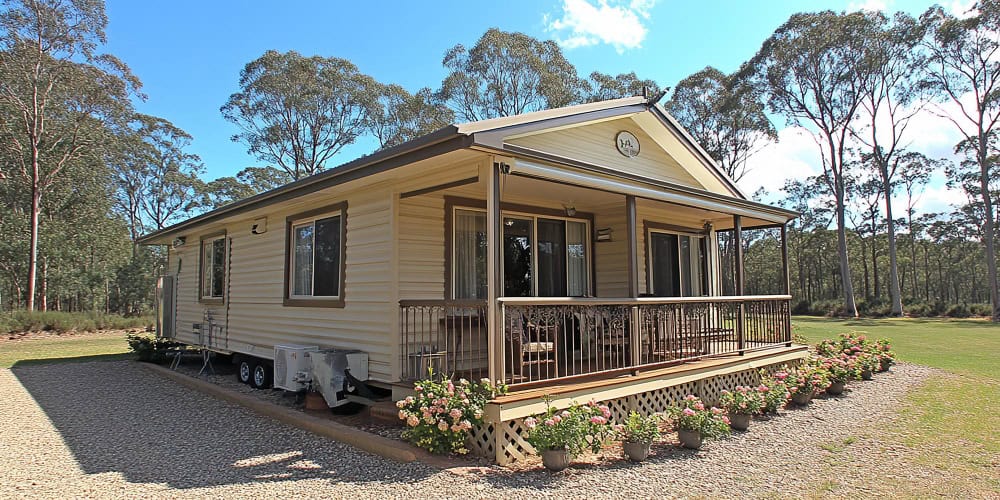
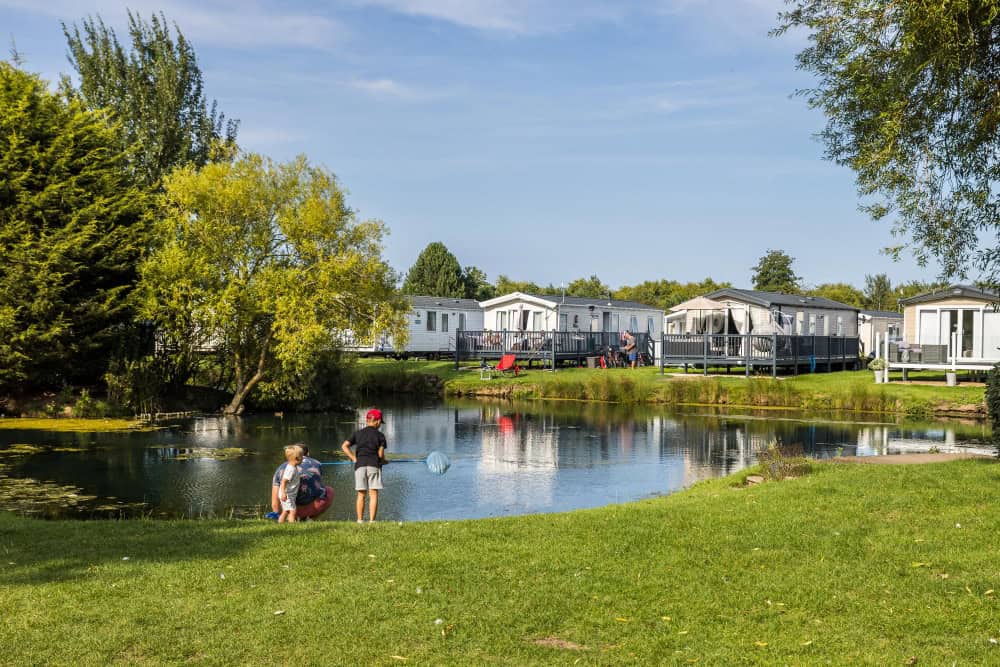
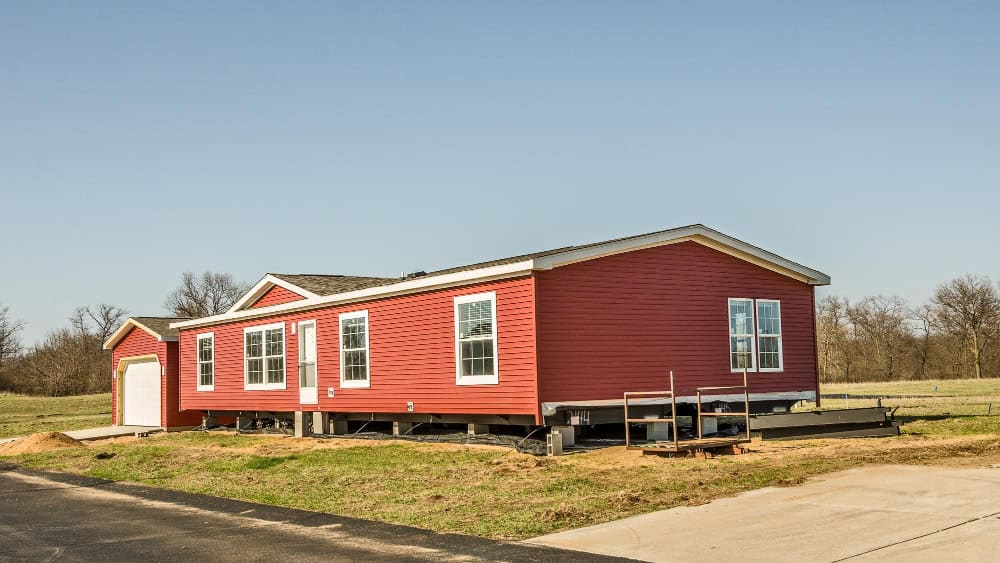
Not all “factory-built housing” is constructed or regulated the same way. Manufactured Homes refer to portable homes completely constructed in a factory in compliance with the federal Manufactured Home Construction and Safety Standards, rather than local building codes. They are also called HUD Code Manufactured Homes because the U.S. Department of Housing and Urban Development (HUD) has enforced a single national standard since June 15, 1976. This type of home is built on a non-removable steel frame and transported to its final destination with minimal on-site assembly required.
The distinction between a manufactured home and mobile home is essentially based on when it was built. According to HUD, a home factory built prior to June 15, 1976 is considered a Mobile Home. Texas law, such as Chapter 1201 of the Texas Occupations Code relating to Manufactured Housing, distinguishes between the two but applies equally to both, unless stated otherwise.
TDHCA provides an interactive tool to help you identify if your home is legally a manufactured home or mobile home under Texas law, mostly based on age and sizing when in “travel mode”.
Apart from the HUD Code related to construction requirements, manufactured and mobile homes are regulated by the Texas Department of Housing and Community Affairs – Manufactured Housing Division.
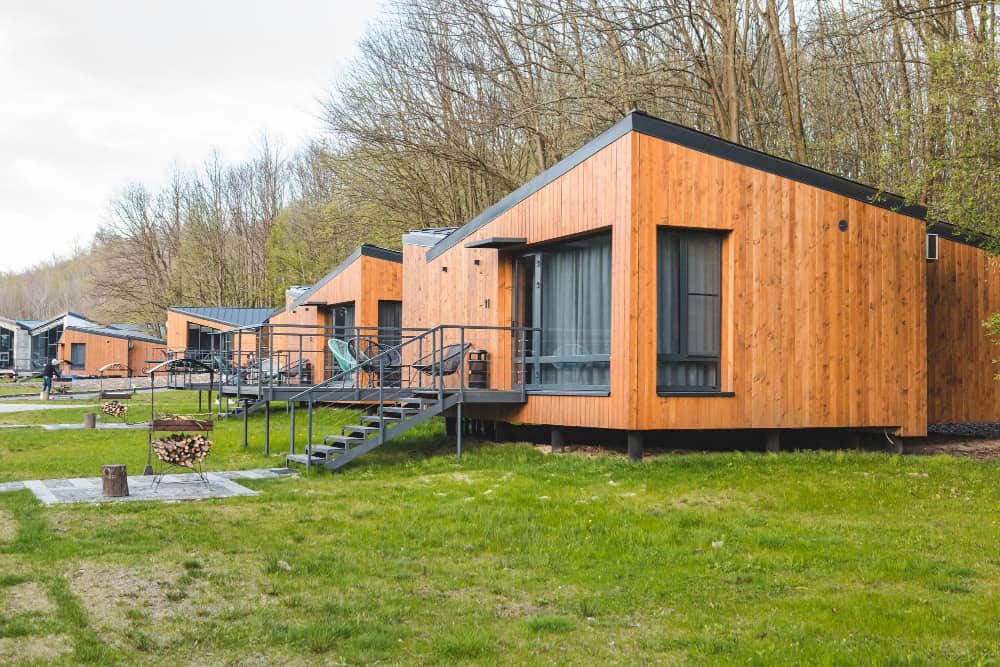
When it comes to homes with some level of prefabrication offsite at a factory, there are a variety of terms in use. Precut Homes feature building materials cut in a factory according to design specifications, transported to the site, and assembled there. Precut homes include kit homes, log homes, and dome homes. Panel or Panelized Homes are made of standardized wall panels that can either be assembled onsite or at the offsite factory. The prefab portions can be as simple as framing or as elaborate as closed panels with insulation, plumbing, and electric wiring. Precut and Panel homes are attached to permanent foundations and not designed to ever be moved, thus they are real property. They must conform to local building codes rather than the HUD Code for manufactured housing.
Fun diversion: check out this 1921 Sears, Roebuck and Co. catalog of Honor Bilt kit homes. You can find many of these still standing across the US, including in East Dallas.
Modular Homes are constructed using individual factory-built sections (modules) that are transported to the destination and then assembled. The modules can be fully or partially enclosed. These prefab homes are real property because they are assembled and attached to the land with a permanent foundation like a site-built home - only faster. They must conform to local building codes and, once assembled, are not designed to ever be moved, whereas a manufactured home on a chassis can be relocated. Federal law (42 USC 3282.12) lays out these differences between a manufactured and modular home.
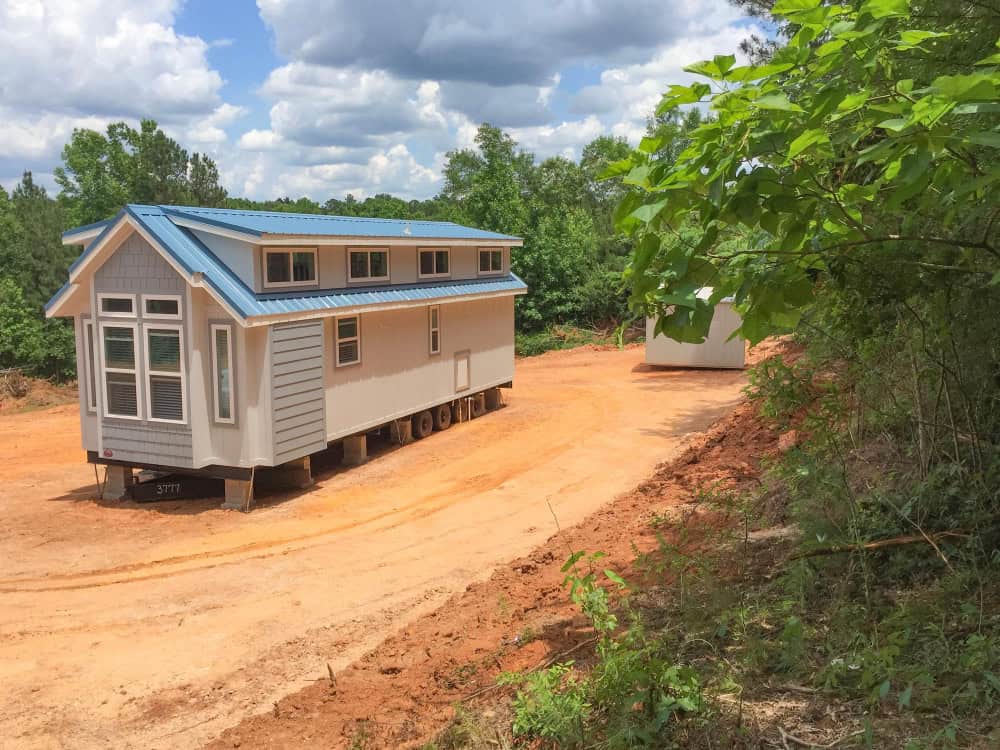
Tiny Homes have no single legal definition. They might be considered a manufactured home, recreational vehicle, modular home, or even site-built home. The classification will depend on several factors, including construction standards, installation, and permitting.
The Default Rule: Manufactured Homes are Personal Property
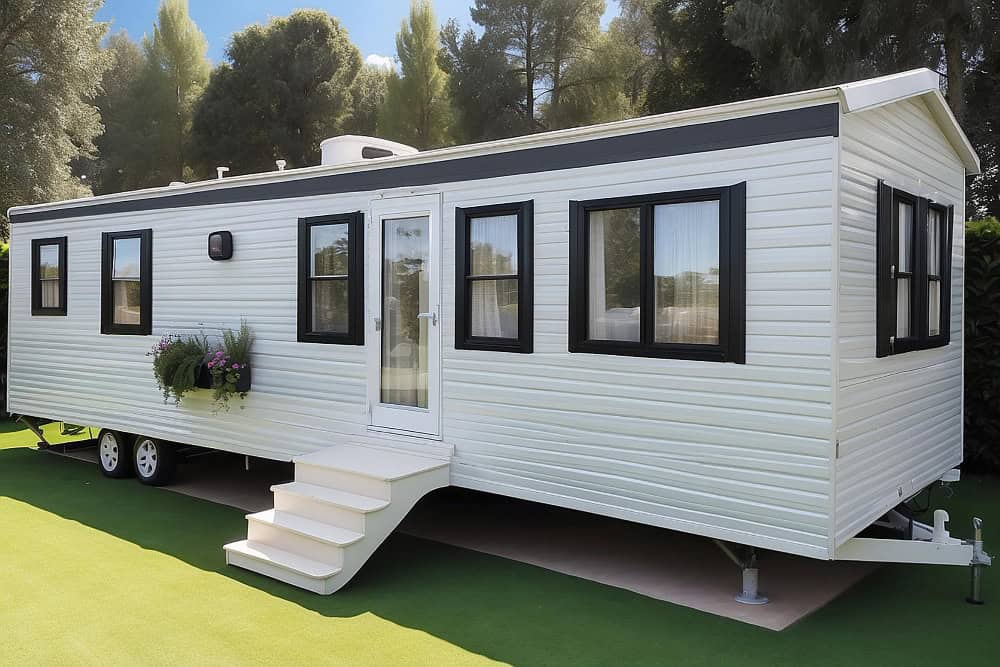
In Texas, all manufactured and mobile homes begin as personal property, sometimes known as chattel. They are financed by consumer loans, rather than mortgages, if not being purchased as a package along with the land. An owner may elect to have the home treated as real property only by following the guidelines in TDHCA rules.
Key Requirements for Real Property Election:
1) Home must be installed and attached to the land according to TDHCA specifications.
2) The owner of the home must also own the land to which it is attached or have a qualifying long-term lease for the land. A long-term lease is defined as at least 5 years, if the home is not financed. If the home is financed, all lienholders must consent to the election (recorded with TDHCA) before the lease may be considered qualifying.
3) If there are any liens on the home, they must be paid off before electing real property status or the lienholders must record their consent with TDHCA. In the case of converting from personal to real property in conjunction with a refinance into a mortgage, you may be able to forgo the lienholder consent requirement if they are being paid off and the title company is insuring against the liens.
4) The owner must apply to TDHCA for a new Statement of Ownership showing the real property election. Think of the Statement of Ownership as the title to a car (personal property) or deed to a house (real property). You may have heard of “Statement of Ownership and Location” (SOL), but this is now an outdated term.
5) The new Statement of Ownership must also be recorded with the local County Clerk in the Real Property Records (deed records) for the county where the home is located. This is the final required step to perfect the real property election.
If a manufactured homeowner has properly completed all steps for real property election, this will show in the Central Appraisal District records as well as in the TDHCA MHD serial number online lookup tool.
When a Real Estate Broker or Agent Can Help
Under the Texas Real Estate License Act, real estate brokerage acts can only be performed for clients of real estate transactions. A real estate broker and agent can assist with:
- Purchase or lease of a new or resale Precut, Panelized, or Modular Home, if the owner also owns the land or the owner of the home has a land (ground) lease that transfers with the sale of the improvements. If leasing the home and it’s on leased land, confirm that the land can be sublet to the new tenant.
- Resale or lease of a Manufactured Home, if the same person is the record owner of both the home and the land to which it is attached, and the sale or lease occurs in a single real estate transaction, even if the manufactured home is personal property. (specific carve-out in the manufactured housing enabling statute, TOC 1201.007).
- Purchase or lease of a used Manufactured Home for which the owner has received a Statement of Ownership documenting the real property election and the Statement of Ownership has been recorded in the Real Property Records of the local county.
- Purchase of a new Manufactured Home as part of a single transaction which includes the purchase of the land where it will be installed. (TOC 1201.102(d))
- Sale of an entire Mobile Home park or Manufactured Home community, to include the land and any units owned by the seller.
When it’s not a Real Estate Transaction
Not all housing is real estate, and brokers and agents are only authorized to work for clients on real estate transactions. The following scenarios do not fall under the purview of real estate brokers and agents:
-
Purchase of a new Manufactured Home when the land for installation is not also being acquired in the same transaction.
-
Resale or Lease of a Manufactured Home that is personal property and the homeowner doesn’t own the land to which it’s attached, like in a mobile home park or manufactured housing community.
-
Resale or lease of a Manufactured Home and the homeowner also owns the land but isn’t conveying the land as part of the same transaction.
Licensing as a Manufactured Housing Broker or Agent
When the transaction is not real property or doesn’t have a specific exemption, a person would need to be licensed as a manufactured housing Broker (resale for others) or Retailer (new or used sale on their own account). There is, however, an exemption to Retailer licensing outlined in the Occupations Code (Ch. 1201): a person can apply to TDHCA for an Exemption in order to sell up to 3 units they own as personal property in a one-time sale transaction in a 12-month period. The person must receive the Letter of Exemption before the home(s) can be sold and it only applies to the home(s) specifically identified in the Exemption Application. Note that there is no exemption available in the statute or TDHCA rules which would allow an individual to sell another person’s personal property manufactured home (brokerage), with or without charging a fee.

Why Brokers and Agents Should Know and Understand the Manufactured Housing Laws & Rules
-
Personal property cannot be advertised in the MLS, as it’s not a real estate transaction.
-
Violation of the Manufactured Housing Laws or TDHCA Rules can land the broker and agent in legal trouble. First-time violation of TDHCA licensing requirements is a Class B misdemeanor; subsequent violations are Class A misdemeanors. Both Class B and Class A misdemeanors are subject to potential fines, jail time, and/or probation.
-
There may be no Errors & Omissions Insurance (E&O) coverage available when participating in activities outside the statutory definition of “real estate brokerage”.
-
Misusing or modifying Texas Real Estate Commission (TREC) or Texas REALTORS® forms to suit a personal property transaction is the unauthorized practice of law.
-
Drafting other legal documents to sell and transfer property for another person is the unauthorized practice of law.
__________________________________________________________________________________________
Bart Stockton is Associate Broker (TX & OK) and Chief of Operations for Paragon. An educator at heart, Bart writes and instructs continuing education courses focusing primarily on the topics of contracts, law, ethics, and risk reduction. He has been using em dashes since well before the robots were taught how to write. Nothing in this post shall constitute legal advice; consult a skilled real estate attorney. ©2026 Bart Stockton Real Estate Education. All rights reserved. Used by permission.